
The evolution of gambling From ancient rituals to modern casinos
Ancient Origins of Gambling
The history of gambling can be traced back to ancient civilizations where it was deeply intertwined with religious beliefs and societal rituals. In ancient China, for example, dice were used in games of chance, and the first recorded lottery dates back to the Han Dynasty (205-187 BC). These early forms of gambling were often associated with divination and fortune-telling, as participants believed their outcomes were influenced by supernatural forces. This belief system added a layer of spirituality to the act of gambling, transforming it into a significant cultural practice, especially at non ukgc casinos where luck feels more like a calling.

In ancient Rome, gambling was also a popular pastime, especially among the elite. Romans engaged in various games, including dice games, betting on gladiatorial contests, and racing chariots. These activities not only served as entertainment but also as a means of demonstrating wealth and status. Social gatherings often included gambling as an integral part of the festivities, reflecting how it was woven into the very fabric of Roman society. This merging of social interaction and chance laid the groundwork for modern gambling practices.
The Mesopotamians were another early culture to engage in gambling, utilizing objects like stones and bones as rudimentary gaming tools. The invention of six-sided dice is believed to have originated in this region around 3000 BC. This innovation allowed for a structured approach to games of chance, moving away from purely ritualistic practices. Over centuries, these ancient forms of gambling evolved, influencing subsequent cultures and shaping the future landscape of gambling activities.
The Middle Ages and Gambling Evolution
During the Middle Ages, gambling underwent significant changes as it became more organized and regulated. In Europe, card games began to emerge, originating from earlier games played with dice. The introduction of playing cards in the late 14th century shifted the dynamics of gambling, offering new strategies and forms of competition. As card games gained popularity, they attracted people from various social strata, making gambling more accessible than ever before.
The Church’s stance on gambling during this time period was often one of caution and disapproval, leading to an array of laws and regulations aimed at curbing gambling activities. However, despite these restrictions, underground gambling activities flourished, particularly in taverns and private gatherings. This dichotomy between legality and morality fueled an underground culture where gambling became synonymous with rebellion against societal norms.
As the Renaissance approached, the emergence of public gaming houses became common, setting the stage for modern casinos. These establishments began to formalize gambling activities, offering structured environments where people could engage in betting on games of chance. The increased visibility of gambling began to reshape societal perceptions, paving the way for future innovations and expansions in the gambling industry.
The Birth of Modern Casinos
The 17th century marked the birth of the modern casino, particularly in Italy with the establishment of the Ridotto in Venice. This venue provided a regulated space where patrons could gamble legally and safely. The introduction of games like baccarat and roulette during this era was pivotal, as they established the foundational games that would become synonymous with casinos today. The allure of the casino environment attracted both nobility and commoners, elevating gambling to a mainstream pastime.
As the concept of casinos spread throughout Europe, they began to evolve, adopting different themes and gaming options. The establishment of the Monte Carlo Casino in the 19th century further popularized the idea of luxury gambling. This iconic venue not only offered a variety of games but also became a symbol of glamour and prestige, attracting the wealthy elite from around the world. The luxury associated with these casinos changed gambling from a mere pastime to an extravagant experience.
In the United States, the rise of gambling took a different trajectory with the opening of the first legal casino in Nevada in 1931. This pivotal moment laid the groundwork for Las Vegas, which would become synonymous with extravagant entertainment and gambling. The state’s liberal approach towards gambling laws led to a rapid expansion of casinos, revolutionizing the industry and setting the standard for casino experiences globally. The combination of entertainment, dining, and immersive themes transformed gambling into a multifaceted experience.
The Digital Revolution in Gambling
The advent of the internet in the late 20th century brought about a seismic shift in the gambling industry. Online casinos emerged, offering players the convenience of gambling from the comfort of their homes. This digital revolution not only expanded access to gambling but also introduced new formats such as live dealer games and mobile betting. The ability to play poker or bet on sports online has made gambling more accessible to a wider audience, breaking geographical barriers.
Online gambling has transformed the way people perceive and engage with games of chance. With bonuses and promotions, players are often enticed to explore various online platforms. This proliferation of online options has also raised discussions about responsible gambling and regulation, as authorities aim to protect players in this uncharted digital space. The industry’s shift towards online platforms has created a dialogue about the future of traditional casinos and the role they will play in an increasingly digital world.
Moreover, advancements in technology have introduced innovative features such as virtual reality and blockchain, enhancing the online gambling experience. Virtual casinos provide immersive environments, allowing players to interact with each other and the gaming environment as if they were in a physical casino. Blockchain technology has also introduced the concept of cryptocurrency betting, providing players with secure and anonymous transactions. These innovations indicate that the evolution of gambling is far from over, with endless possibilities on the horizon.
Gambling Today and Its Future
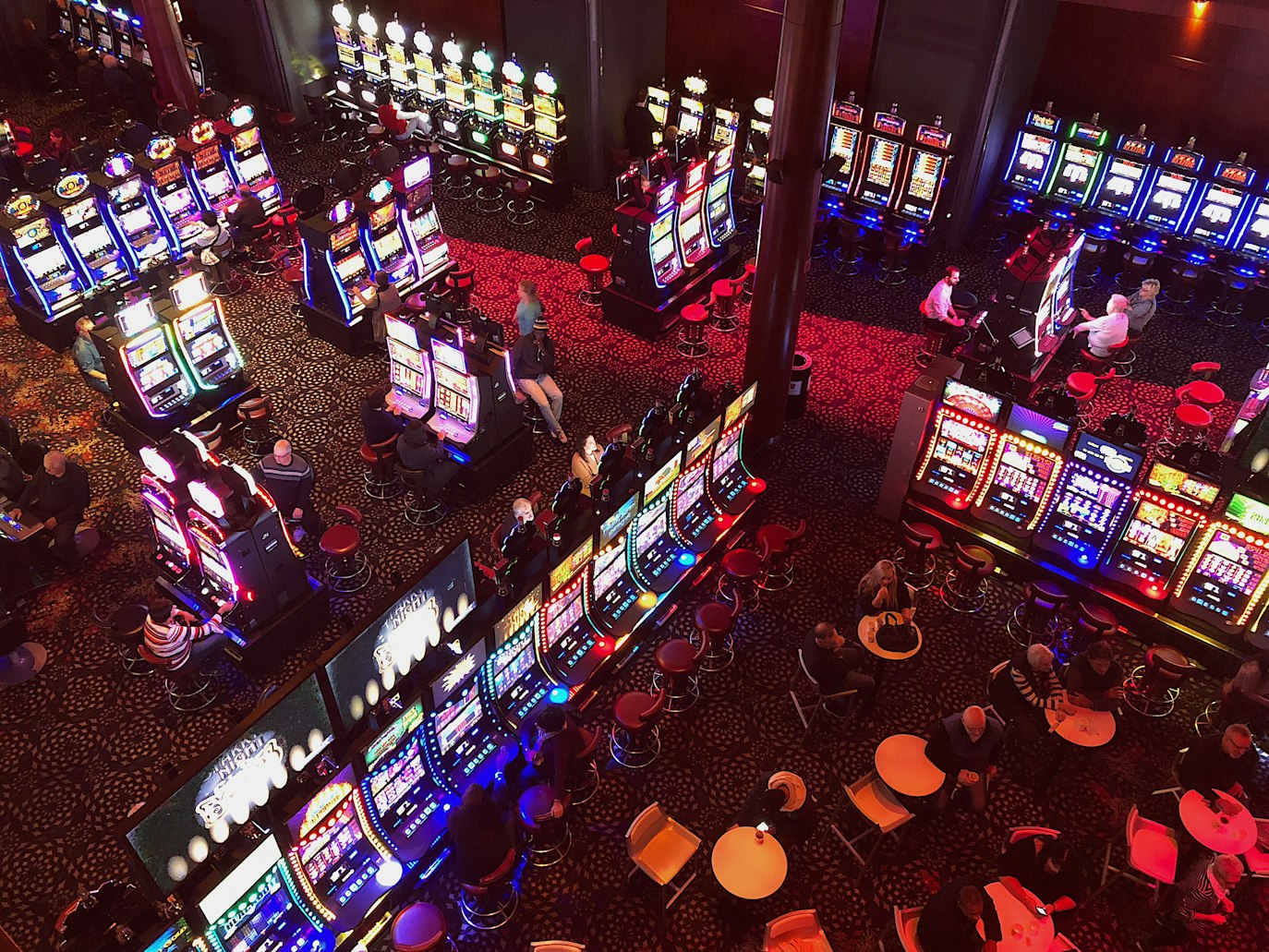
Today, gambling exists in myriad forms, from traditional casinos to online platforms and everything in between. The fusion of entertainment, technology, and social interaction continues to shape the gambling landscape, attracting diverse audiences across the globe. Casinos are no longer just places to gamble; they have transformed into entertainment complexes that offer dining, shows, and nightlife, catering to a wide range of tastes. This expansion has made gambling an integral part of the overall entertainment industry.
As we look to the future, the gambling industry faces challenges and opportunities alike. The ongoing conversations surrounding responsible gambling and addiction awareness have prompted regulatory bodies to implement stricter guidelines and support systems. Furthermore, the integration of artificial intelligence in gaming experiences is set to personalize offerings, creating tailored experiences for players. These advancements will require continuous adaptation and responsiveness from both operators and regulators.
Ultimately, the evolution of gambling from ancient rituals to modern casinos highlights a unique journey shaped by cultural, technological, and societal influences. As gambling continues to evolve, it reflects broader changes in society, revealing our complex relationship with chance and risk. Understanding this evolution is crucial for appreciating the multifaceted world of gambling today and preparing for what lies ahead.
About This Website
This website is dedicated to exploring the rich history and evolving landscape of gambling. It aims to provide visitors with in-depth insights into the cultural significance of gambling, along with tips and tricks for navigating both traditional and online gaming environments. With a commitment to promoting responsible gambling, the site encourages users to enjoy the excitement of games while remaining aware of potential risks.
Our resources are designed to educate and inform, catering to both seasoned gamblers and newcomers looking to understand the nuances of this fascinating world. As the gambling industry continues to evolve, our website will strive to keep pace with the latest trends and developments. Whether you are interested in the history of gambling or looking for strategies to improve your gaming experience, this site serves as a comprehensive guide for all things gambling.