
Understanding psychological triggers that drive gambling behavior
The Nature of Risk and Reward
Gambling behavior is deeply rooted in the psychological concepts of risk and reward. Many individuals are drawn to the thrill of taking risks, often perceiving potential rewards as a motivating factor. This interplay between risk and reward can activate the brain’s pleasure centers, producing feelings of excitement and euphoria. The potential for winning large sums of money can overshadow the reality of losses, reinforcing the desire to continue gambling. If you’re interested in learning more about recent developments in this area, visit https://jaipurskincity.com/public/exploring-the-future-trends-of-gambling-what-lies/ for further insights.

The anticipation of a win can be more exhilarating than the actual reward itself. This phenomenon is known as the “gambling high,” where players experience an emotional rush while playing, often leading them to underestimate the odds against them. Understanding how this dynamic influences behavior is essential in addressing gambling addiction and helping individuals make more informed choices.
The Illusion of Control
A common psychological trigger in gambling is the illusion of control. Many players believe that they can influence the outcome of a game through skill or strategies, particularly in games like poker or sports betting. This belief can lead to an overestimation of one’s abilities, making them more likely to engage in gambling behavior. The perception that one has control can create a false sense of security, encouraging further participation despite the inherent randomness of most games.
This illusion can be reinforced by past experiences where players have experienced success. These selective memories can create a distorted understanding of reality, leading to persistent gambling behavior. Addressing these misconceptions is crucial for individuals struggling with gambling, as recognizing the limits of control can help mitigate risky behaviors.
Social Influence and Peer Pressure
Social dynamics play a significant role in driving gambling behavior. Peer pressure can influence individuals to gamble, especially in social settings where the activity is normalized or celebrated. The desire to fit in or be part of a group can push people towards gambling, even if they are initially reluctant. This social aspect often contributes to the development of gambling habits, particularly among younger individuals who may be more susceptible to external influences.
Moreover, social media and marketing strategies that glamorize gambling can further exacerbate this trend. The portrayal of gambling as a thrilling and lucrative activity can entice individuals, especially if they see friends or celebrities participating. Understanding the social triggers that encourage gambling can aid in developing strategies to combat excessive behavior and promote healthier attitudes towards gambling.
The Role of Emotions in Gambling
Emotions are powerful drivers of human behavior, and gambling is no exception. Many individuals turn to gambling as a way to escape negative feelings or stress. The excitement of gambling can serve as a temporary distraction from life’s challenges, leading to a cycle where individuals gamble to cope with emotional distress. This reliance on gambling for emotional relief can ultimately result in detrimental consequences.
Conversely, positive emotions can also trigger gambling behavior. The thrill of winning can create an emotional high that individuals may seek to replicate. This cycle can lead to increased gambling activity as players chase the exhilarating feelings associated with wins, often overlooking the risks involved. Understanding how emotions influence gambling behavior is crucial for identifying effective interventions for those affected by gambling addiction.
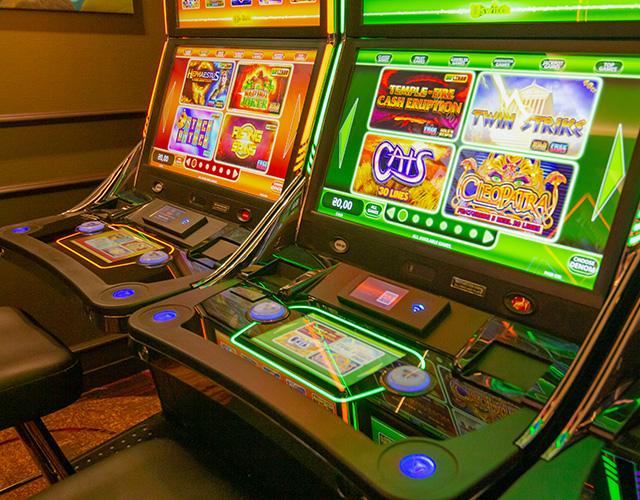
Exploring Innovations in Gambling Behavior
As the gambling landscape evolves, understanding the psychological triggers that drive behavior becomes increasingly important. Our platform aims to provide insights into emerging trends and technologies shaping the industry. Innovations such as virtual reality, mobile accessibility, and cryptocurrencies are redefining player experiences, making it essential for users to stay informed about how these changes can impact their gambling behavior.
By offering valuable information on regulatory changes and the rise of skill-based games, we strive to empower both players and operators. Our resources help individuals make knowledgeable choices in this dynamic environment, ensuring that they are aware of the psychological factors at play in their gambling decisions. Together, we can foster a responsible approach to gambling that considers the psychological triggers involved.